Source Zinc Plated Exterior Siding Screw for Roofing, Cladding, and Decking
Find 30 zinc plated exterior siding screw options from Chinese manufacturers. Compare carbon steel and stainless steel grades, DIN and GB standards, and various head styles to select the right fasteners for your construction projects; compare the available evidence and request quotations based on your requirements.
Key considerations
Products List




Comprehensive Sourcing Guide
Zinc Plated Exterior Siding Screw Sourcing Guide
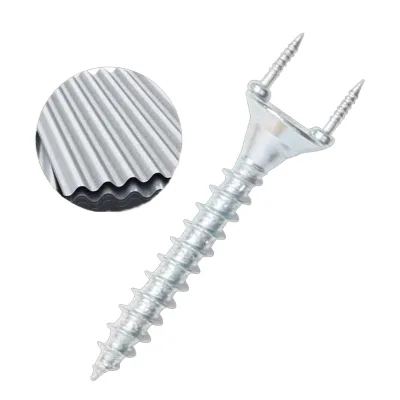
Procuring zinc plated exterior siding screws requires a disciplined approach to material selection and surface treatment verification. The supplied data indicates that carbon steel is a primary material base for these fasteners, often paired with zinc plating for corrosion resistance. Buyers must distinguish between standard zinc finishes and specialized coatings like nickel or grey plating, as exterior applications demand robust protection against moisture and environmental exposure. The observed product range includes various head styles, such as round and countersunk heads, which dictate the aesthetic and structural integration with siding materials.
Verification of thread type and groove configuration is critical for installation efficiency and holding power. The market offers both fine and coarse threads, with some products featuring cross or mesh grooves designed to enhance grip in wood or composite siding. It is essential to confirm whether the screw utilizes a full or half thread, as this affects the clamping force and pull-out resistance. Additionally, the presence of specific head styles, such as hexagonal or countersunk designs, influences the torque requirements and the tools needed for installation, impacting labor costs and project timelines.
Product Scope and Observed Listing Signals
The current market landscape for zinc plated exterior siding screws reveals a diverse array of specifications and packaging methods. Suppliers offer products in various models, including specific designations like XRF-161 and generic screw types, with lengths ranging from 13mm to over 110mm. The observed minimum order quantities vary significantly, starting from single units up to large industrial volumes, reflecting the flexibility of suppliers to cater to both small contractors and large-scale developers. Packaging options include woven bags, cartons, and wooden pallets, ensuring safe transit and easy handling on construction sites.
Origin locations for these fasteners are primarily concentrated in industrial hubs such as Tianjin, Jiaxing, and Changzhou in China. These regions are known for their robust manufacturing capabilities and access to raw materials, which contributes to competitive pricing and consistent supply chains. The products listed often adhere to multiple international standards, including GB, DIN, ANSI, and BSW, indicating a broad compatibility with global construction codes. Buyers should note that while many products are labeled as carbon steel, some listings also mention stainless steel options, requiring careful verification to ensure the selected material meets the specific corrosion resistance needs of the exterior environment.
Technical Specifications to Verify
When evaluating technical specifications, the diameter and length of the screw are paramount for ensuring proper penetration and hold. The observed data highlights shank diameters such as 2.5mm, with standard sizes like #6, #8, #10, and #12 being common. Lengths are typically categorized into ranges, such as 13-75mm and 75-110mm, allowing for precise selection based on siding thickness and substrate depth. Buyers must verify that the selected length provides adequate embedment into the structural framing without protruding through the other side, which could compromise safety and aesthetics.
Thread pitch and head geometry also play crucial roles in performance. Coarse threads are generally preferred for wood-based siding due to their aggressive cutting action and superior holding power, while fine threads may be suitable for metal substrates. The head style, whether round, countersunk, or hexagonal, must match the installation tool and the desired finish. Countersunk heads allow for flush mounting, which is often required for aesthetic siding applications, whereas hexagonal heads provide higher torque resistance during installation. Additionally, the groove type, such as cross or mesh, should be confirmed to ensure compatibility with standard drivers and to prevent cam-out during high-torque applications.
Compliance and Safety Documentation
Compliance with international standards is essential for ensuring the structural integrity and safety of exterior siding installations. The supplied facts indicate that products may adhere to standards such as GB, DIN, ANSI, and BSW, which govern dimensions, mechanical properties, and testing procedures. Buyers should request documentation confirming that the screws meet the specific requirements of the project’s local building codes. This includes verifying the grade of the material, such as grade 4 or grade 8, which indicates the tensile strength and hardness of the fastener.
Safety documentation should also include material safety data sheets and corrosion resistance test results. Zinc plating provides a sacrificial layer that protects the underlying carbon steel from rust, but the thickness and quality of this plating can vary. Buyers should inquire about the plating process and any additional treatments, such as yellow or white zinc plating, which may offer enhanced corrosion resistance. It is also important to verify that the products have undergone relevant quality certifications, such as SGS, to ensure consistency in manufacturing and performance. This documentation provides assurance that the fasteners will perform reliably over the lifespan of the siding system.
Cost Drivers and Commercial Terms
Several factors influence the cost of zinc plated exterior siding screws, with material costs and surface treatment being primary drivers. Carbon steel is a cost-effective base material, but the price fluctuates with global steel markets. The zinc plating process adds to the cost, with thicker platings and specialized finishes like nickel or grey plating commanding higher prices. Buyers should consider the total cost of ownership, including the durability and maintenance requirements, rather than focusing solely on the unit price. Higher-quality platings may reduce long-term maintenance costs by preventing rust and extending the life of the siding installation.
Commercial terms, including minimum order quantities and packaging, also impact the overall cost. Suppliers may offer discounts for larger volumes, but buyers must balance this with storage capacity and project timelines. Packaging methods, such as wooden pallets or cartons, affect shipping costs and handling efficiency. Buyers should negotiate clear terms regarding delivery times and payment methods to avoid unexpected expenses. Additionally, the origin of the product can influence shipping costs and lead times, with suppliers in China offering competitive pricing but potentially longer transit times to international markets. Understanding these variables allows for more accurate budgeting and procurement planning.
Supplier Qualification and Quality Control
Selecting a qualified supplier is critical for ensuring the reliability and consistency of zinc plated exterior siding screws. Buyers should verify the supplier’s manufacturing capabilities, including their production capacity and quality control processes. Suppliers located in industrial hubs like Tianjin, Jiaxing, and Changzhou often have established reputations for producing high-quality fasteners. It is advisable to request samples for testing before placing large orders, allowing buyers to assess the physical properties, such as thread accuracy, head strength, and plating quality.
Quality control measures should include regular inspections and testing to ensure compliance with specified standards. Buyers should inquire about the supplier’s certification status and their adherence to international quality management systems. Documentation such as mill certificates and test reports can provide evidence of the material’s properties and the effectiveness of the zinc plating. Additionally, buyers should assess the supplier’s ability to provide customization, such as specific lengths or head styles, to meet unique project requirements. A supplier with a strong track record of quality and reliability will reduce the risk of project delays and costly rework due to fastener failure.
Long-Term Procurement Checks
Long-term procurement success depends on establishing a robust supply chain and maintaining ongoing quality assurance. Buyers should conduct periodic audits of their suppliers to ensure continued compliance with quality standards and delivery schedules. This includes monitoring any changes in raw material sources or manufacturing processes that could affect product performance. Regular communication with suppliers can help identify potential issues early, allowing for proactive resolution and minimizing disruption to construction projects.
It is also important to stay informed about industry trends and regulatory changes that may impact the use of zinc plated fasteners. New standards or environmental regulations may require adjustments in material selection or surface treatments. Buyers should maintain a diverse supplier base to mitigate risks associated with supply chain disruptions or price volatility. By continuously evaluating supplier performance and staying updated on industry developments, buyers can ensure that their zinc plated exterior siding screws meet the highest standards of quality and reliability throughout the lifecycle of their projects.
FAQs
What materials are used for zinc plated exterior siding screws?
These screws are primarily made from carbon steel or stainless steel. The carbon steel variants often feature zinc plating for corrosion resistance, while stainless steel offers inherent durability. Both materials are available in various grades to meet specific structural requirements for exterior applications.
Which head styles are available for these exterior screws?
Common head styles include round, hexagonal, and countersunk heads. The countersunk head is often preferred for flush mounting, while hexagonal heads provide better torque application. Round heads are also available for general fastening needs in various siding installation scenarios.
Can I find screws with customized sizes and specifications?
Yes, customization is available for these products. Buyers can request specific lengths ranging from 13mm to 110mm and various diameters like 2.5mm. Customized sizes and thread types, including fine or coarse threads, can be arranged to fit unique project requirements.
What standards do these screws comply with?
The screws comply with multiple international standards including GB, DIN, ANSI, BSW, and JIS. Specific models may also adhere to SGS certification standards. These standards ensure the products meet rigorous quality and safety requirements for construction and industrial applications.
How are these screws packaged for shipping?
Packaging options include woven bags, color boxes, cartons, and wooden boxes. Bulk shipments often use 25kg bags or strong wooden pallets. Specific configurations like 300 pieces per coil are also available for specialized tools, ensuring safe transport and easy handling.
What surface finishes are offered for these fasteners?
Surface finishes include black or grey plating, zinc plating, and nickel plating. Zinc plating is available in white and yellow colors. These finishes provide enhanced protection against rust and corrosion, making them suitable for harsh exterior environments and long-term durability.
Which tools are compatible with these siding screws?
These screws are compatible with specific tools like the Cn57 Coil Nailer. They are designed for efficient installation using automated systems. The 15-degree angle and specific shank diameter ensure smooth feeding and driving performance with compatible nailer equipment.